Labu-bear
Coveted little trinkets are everywhere these days. Between Sonny Angels and Labubus, it seems like everybody, especially the younger generation, is after tiny accessories with whimsical personalities. And, as expected, many brands are seizing the moment with their own activations and product drops.
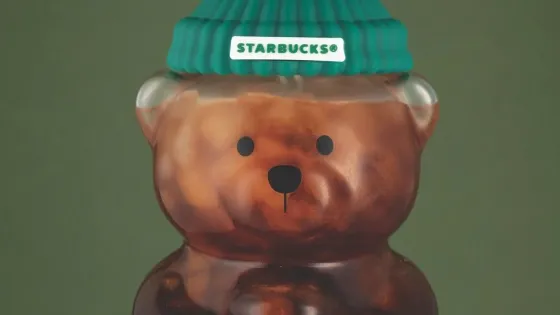
A recent example is Starbucks’s Bearista cup. It’s a teddy bear-shaped coffee mug that sold for $29.95 and was released with the 2025 Starbucks holiday menu. Ad Age posted several articles about the strategy behind the cup, including an interview with social media reporter Gillian Follett. She commented that Starbucks’s goal was not necessarily to drive sales in-store but rather to insert the brand into the cultural conversation.
Limited drops are not a revolutionary idea. However, what makes these kinds of releases unique – like the Trader Joe’s mini tote and now micro tote - is the tie to the larger “trinket” or “little treat” trend. Highly sought after, products like the Bearista cup become cultural currency for consumers, and brands benefit from the hype generated online.
Starbucks had to issue an apology after stock of the Bearista cups ran short and some customers were left high and dry. Follett shares that brands have to walk a fine line between maintaining exclusivity but also making sure there’s enough items to mitigate angry customers who miss out. In other words, while scarcity drives value, you don’t want to have hordes of angry fans banging on your door.
An added benefit of limited releases like the Bearista cup are their in-person format. On November 6, fans lined up at Starbucks stores across the country to get their hands on one. It even led to some contention between customers, harkening back to Black Fridays of old. Follett says that consumers are looking for more in-person experiences and cultural moments like this.
I liken it to when I ran to Center City Philadelphia from my college campus after the Eagles won Super Bowl LLI in 2018. I could tell you about it, but, you just had to be there. According to Follett, brands might do well to continue manufacturing these “had to be there” moments that gives their fans a chance to connect with not only the brand but each other.